
Certifications & Standards Behind Confident Production
A retail buyer asks for the cGMP audit. A customer asks whether the product is cruelty-free. A regulator asks for the batch record. If the manufacturer can’t produce the paper, the brand’s claim is just a sentence on a label. Chaé holds the registrations and certifications behind its claims — cGMP, FDA registration, ToxicFree®, Leaping Bunny, OTC registration, a PCQI-led quality department, and an independently validated HACCP plan — and the documentation travels with every batch.
Certifications Established Brands Can Stand Behind
These certifications and standards stand behind cleaner formulas, stronger documentation, retailer conversations, repeat production, and customer-facing claims that need more than marketing language behind them.
cGMP Compliant Facility
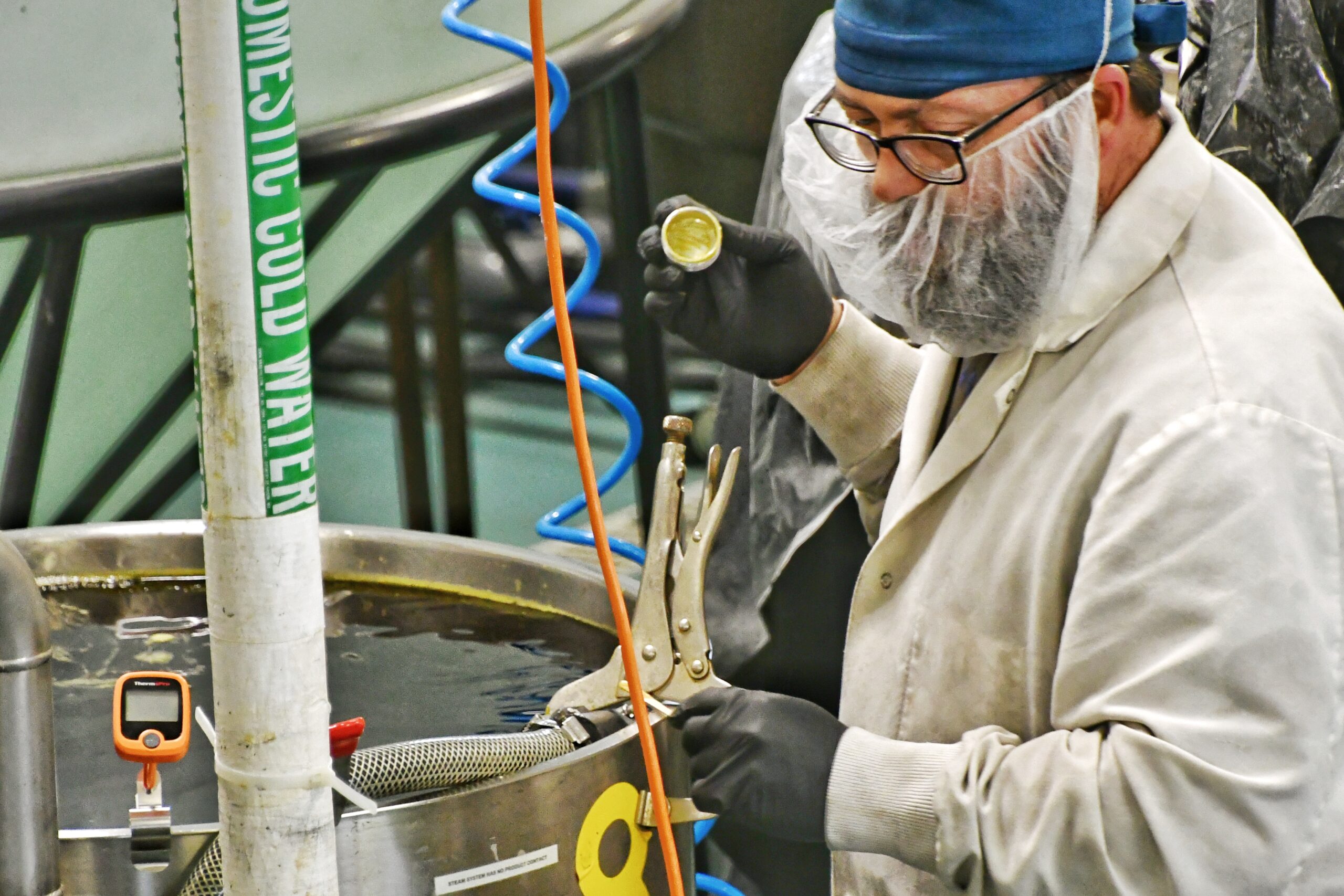
Chaé operates a cGMP compliant manufacturing facility with documentation and production practices aligned to applicable FDA expectations. The facility has achieved a 98% audit score and an Excellent rating.
FDA Registered
Products are manufactured in an FDA registered Colorado facility, with production practices reviewed against applicable product category requirements.
Certified ToxicFree® Manufacturer
Chaé is a certified ToxicFree® manufacturer. Products with the ToxicFree® seal are verified by the ToxicFree® Foundation as using ingredients free from known toxic, carcinogenic, mutagenic, or reproductive-toxicity components.
Leaping Bunny Certified
Chaé is Leaping Bunny certified through the Coalition for Consumer Information on Cosmetics, for brands that need cruelty-free product development and supplier review standards.
OTC Manufacturing Certified
Chaé is certified for nonprescription OTC product manufacturing, for products that require additional documentation, review, and production care.

Rocky Mountain Pure Water
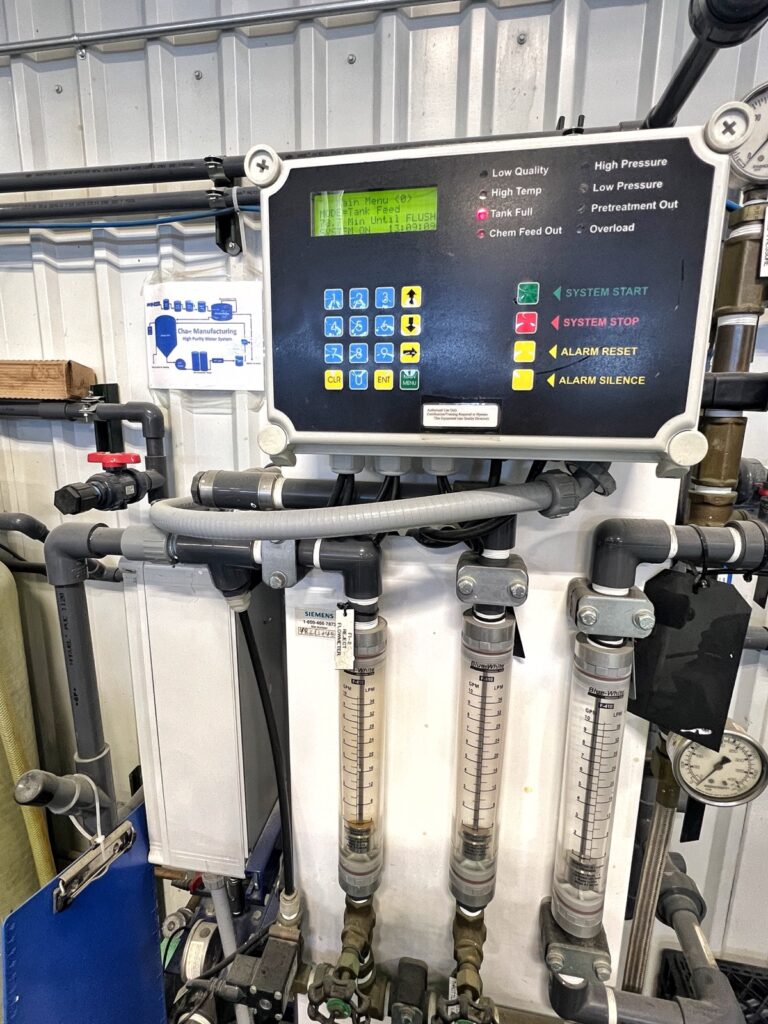
Chaé uses a Rocky Mountain Pure water system certified through the CCWP Division of the Colorado Department of Public Health and Environment. Local Rocky Mountain water is purified through a reverse osmosis / electrodeionization (RO/DI) system to roughly 3 ppm contaminants — free of the heavy metals and pharmaceuticals found in municipal supplies. The water circulates 24 hours a day, seven days a week to prevent bacterial growth, and never passes through metal piping, so nothing leaches into it before it reaches a batch.
Halal & Kosher Certified
Chaé is independently certified as a Halal and Kosher manufacturer, for brands whose products require additional ingredient handling and documentation.
USDA Certified Biobased Product
Products have earned the USDA Certified Biobased Product label for containing 100% biobased, renewable ingredients.
Certified Organic by EcoCert
ECOCERT certification reflects compliance with high standards for organic, fair trade, and social responsibility programs.
Gluten-Free Review
Chaé reviews ingredient choices to help avoid hidden gluten sources in cosmetics, hair care, personal care, and related formulas when gluten-free positioning matters to the brand.
Ingredient Standards Behind Cleaner Manufacturing
Chaé’s standards are also defined by the shortcuts, ingredients, and practices the company works to avoid in cleaner product development and repeat manufacturing.
No Animal Testing
No animal testing is conducted or commissioned on product formulations, with supplier and ingredient review used to help avoid sources tied to animal testing.
No GMO Ingredients
Ingredient-level review helps brands avoid GMO sources, including extracts and derivatives that can otherwise be harder to trace.

No Parabens, Formaldehydes & Related Ingredients
Product formulations avoid parabens, propylene glycol, phthalates, synthetic fragrances, and related ingredient shortcuts that do not fit Chaé’s clean manufacturing philosophy.
No PEGs or Ethoxylated Ingredients
Chaé avoids PEGs and other ethoxylated ingredients because of concerns tied to cleaner formulation standards and long-term product trust.
How Standards Carry Into Production
Certifications should not just sit on a page. They should inform ingredient selection, vendor review, formula development, production planning, filling, packaging, quality review, and every repeat run.
For established brands, the real question is whether the formula, packaging, testing, claim language, and production process actually meet the standard the brand puts on the label.
Ingredient-Level Review
Review ingredient choices, vendor concerns, formula requirements, and claims-sensitive product needs before production moves forward.
Formula & Sample Review
Develop, review, and refine formulas with cleaner ingredient expectations, documentation needs, and production practicality in mind.
Repeat Production
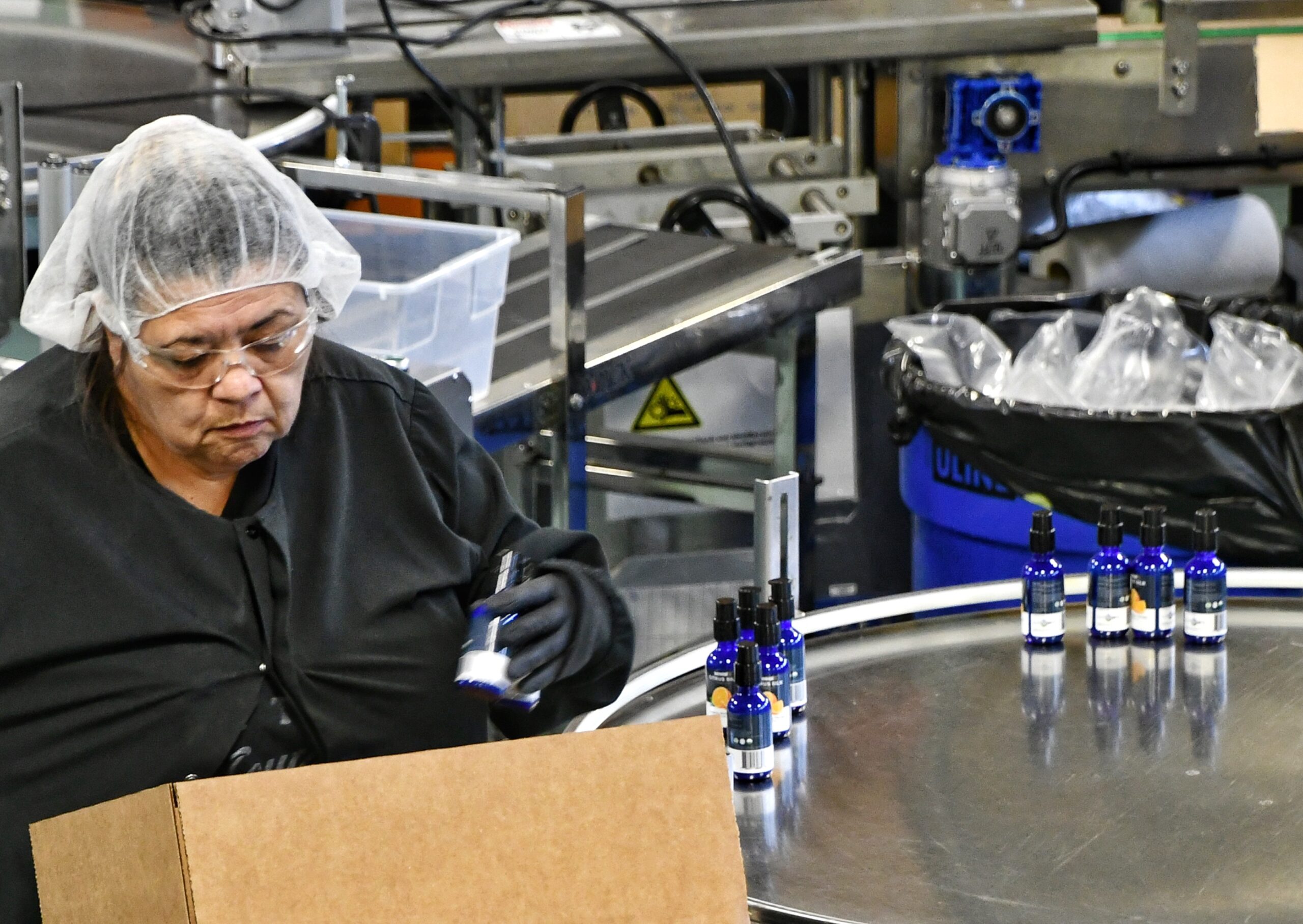
Fill, package, run repeat batches, and review quality for established product lines.
Talk Through Your Certification & Production Needs
Tell Chaé what you are making, which standards matter to your brand, your formula status, target volume, packaging needs, and production timeline.