
Contract Manufacturing Quality Control: What Brands Should Expect
Quality is not an inspection at the end of the line. It is the set of controls that make the thousandth unit match the first one, and the records that prove it. Here is what to expect, and what to ask for.
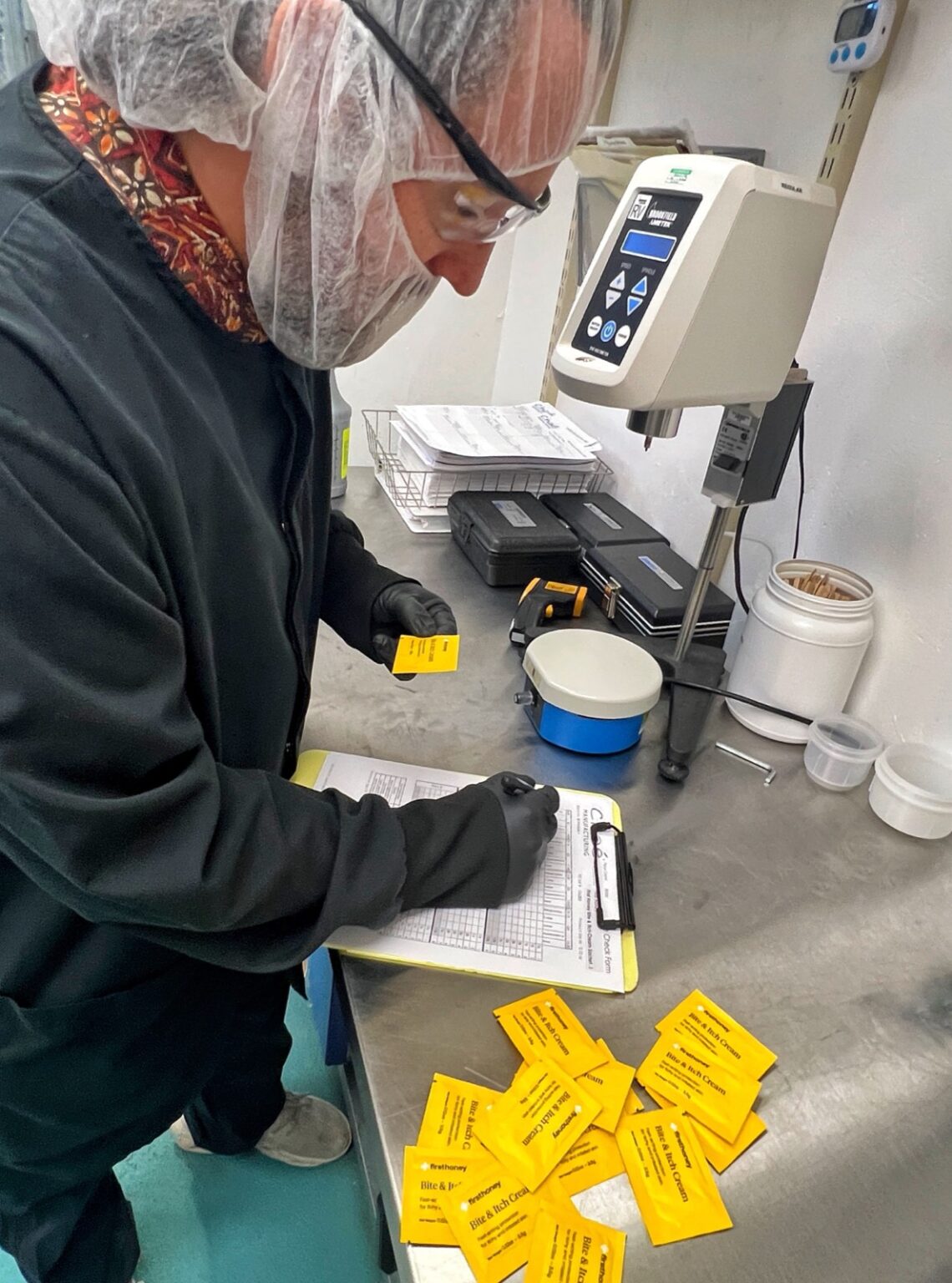
Quality is a system, not a step
When a manufacturer describes quality as “we check every batch before it ships,” listen for what is missing. Final inspection catches problems; it does not prevent them. A quality system controls the inputs, the process, and the outputs, and documents all three, so a problem can be traced to its cause and a good batch can be reproduced on purpose.
For brands, the practical difference is this: a facility with a real quality system can tell you why a batch met specification. A facility without one can only tell you that it did.
The controls that should be in place
- Specifications. A written specification for every raw material and for the finished product, with the tests and acceptance criteria that define a pass.
- Raw material verification. Incoming materials checked against their specifications and supplier documentation before they are released to production.
- Line clearance. Equipment and work areas verified clean and free of the previous product before a new batch starts. This is the control that prevents cross-contamination and mislabeling.
- Batch records. A record for every batch documenting materials, lot numbers, quantities, process steps, in-process checks, and sign-offs. This is your traceability.
- In-process checks. Measurements during production — pH, viscosity, appearance, fill weight — so a drifting batch is caught before it is finished, not after.
- Bulk and finished-product testing. Release testing against the specification, in-house where possible and through third-party labs where required.
- Traceability. The ability to trace any finished unit back to its batch, and any batch back to its raw material lots.
- Deviation handling. A defined process for what happens when something does not meet specification, including how you are informed.
Reading certifications and registrations
Registrations and certifications are useful shorthand, as long as you know what each one means and does not mean.
cGMP compliance means the facility operates under current Good Manufacturing Practice and has been audited against it. Ask for the most recent audit score and date; a strong score sustained over multiple years says more than a certificate alone.
FDA registration means the facility is registered with the FDA. It is a requirement, not an endorsement, but its absence is disqualifying for OTC and many other categories.
OTC registration means the facility is registered to manufacture applicable nonprescription drug products, which carry requirements that cosmetics do not.
Third-party certifications such as ToxicFree®, Leaping Bunny, USDA Biobased, or Ecocert verify specific claims — ingredient standards, cruelty-free status, biobased content. They matter when your product makes those claims and when your retailers require them.
Food-safety controls such as a PCQI-led quality function and a validated HACCP plan apply to ingestible products like gummies, honey-based products, and liquid supplements.
What documentation you should receive
Ask, before the first run, exactly what you will receive with a finished batch. At minimum you should expect a certificate of analysis or release record showing test results against specification, batch and lot identification, and access to the batch record on request. For regulated categories you may need more. If a manufacturer cannot describe the documentation package clearly, that is an answer in itself.
A note on water
Water is usually the largest single ingredient in a topical or liquid product, and its quality sets a floor under everything else. Ask how process water is purified, what it is tested for, and how the system is maintained. Reverse osmosis and deionization systems that produce very low-contaminant water, kept in continuous circulation to prevent microbial growth, are the standard to look for.
Chaé Manufacturing operates a cGMP compliant facility with a 98% audit score and an Excellent rating, is FDA registered, and is registered to produce applicable OTC products. The Quality Department is led by a PCQI-certified individual, follows the FSPCA PCQI training framework, and runs an independently validated HACCP plan. Quality control spans raw material verification, in-process line clearance, and bulk and finished-product testing, using in-house laboratories and third-party analytical partners.
Third-party certifications include ToxicFree® and Leaping Bunny. Process water comes from a certified Rocky Mountain Pure water system using reverse osmosis and electrodeionization, producing water at roughly 3 ppm contaminants and circulated continuously to prevent bacterial growth.
Before you reach out
- Your finished-product specification, or the tests and criteria you care about
- Any retailer, certification, or regulatory requirements your product must meet
- The documentation you need with each batch
- Whether your product is ingestible, topical, or an OTC drug — the controls differ
- Any quality problems you have had with previous production
- What water quality your formula requires
Have a product ready for review?
Chaé Manufacturing reviews product category, formula status, target volume, packaging, and timeline to determine whether a project is a fit for 5,000 to 1,000,000+ unit production.
Start a Production Review