
How to Plan Repeat Production as Your Brand Grows
The first production run proves the product. Every run after it proves the relationship. Repeat production is where a manufacturing partnership either becomes predictable or becomes a recurring emergency.
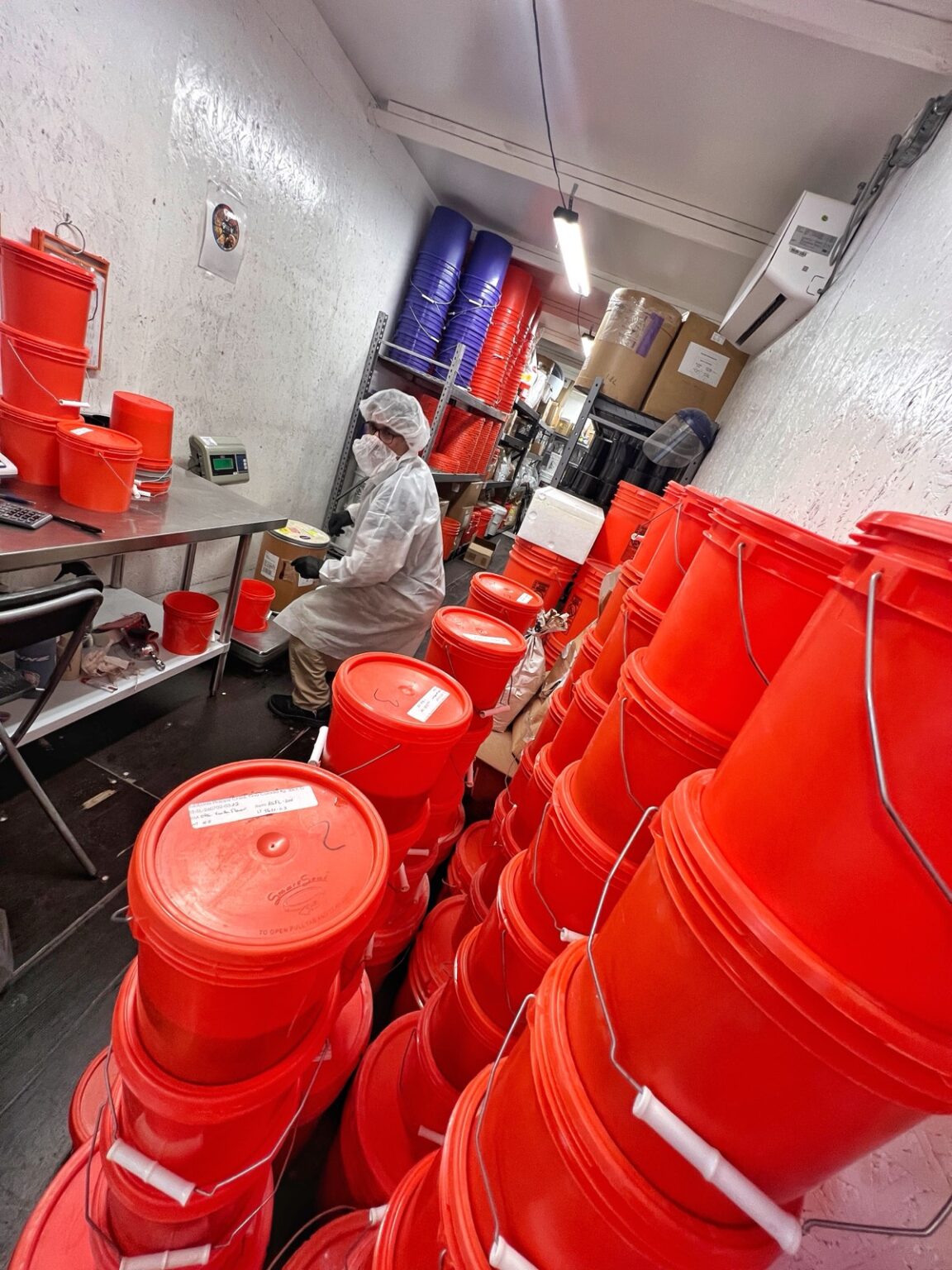
The first run sets up every run after it
A first run is not only about getting product on the shelf. It produces the batch record, the locked process, the qualified components, the tested packaging, and the production history that every subsequent run starts from. When that first run is planned properly — realistic volume, documented process, components with known lead times — reorders become a scheduling exercise. When it is rushed, every reorder re-opens questions that should have been settled once.
What makes repeat production predictable
- A locked process. The formula, procedure, specifications, and packaging are fixed and documented. Changes go through review rather than happening quietly between runs.
- Production history. Each batch record adds to a history that makes the next batch easier to plan, and makes any variation easier to trace.
- Component availability. Raw materials and packaging components are tracked against the reorder schedule, with alternates identified for anything single-sourced.
- Known lead times. You know how long a run takes from purchase order to shipment, including component lead times, and you plan against that number rather than hoping.
- A reorder trigger. A defined stock level or date at which the next order is placed, calculated from sales velocity and lead time, so production starts before you are short.
- One point of contact. Someone who owns your order from purchase order through production documentation, warehouse staging, and shipping, and who tells you when something moves.
Forecasting and reorder timing
The math is simple; the discipline is the hard part. Take your average monthly sales, add the growth you expect, and multiply by the total lead time for a run — component ordering, production scheduling, manufacturing, and shipping. That is how much stock you need on hand when you place the next order. Add a buffer for the things that go wrong. Then set a reorder point and honor it.
Share your forecast with your manufacturer. A facility that knows a reorder is coming in eight weeks can hold a production slot and confirm components in advance. One that hears about it when you are out of stock cannot.
Handling changes between runs
Products change: a new supplier for an ingredient, a packaging update, a reformulation for a claim, a size extension. Each change is manageable if it goes through review before the next run. Ingredient substitutions may need stability or compatibility re-testing. Packaging changes may need new component qualification and updated artwork. Formula changes need sampling. The mistake is treating a change as small because it feels small. Tell your manufacturer what is changing as soon as you know, and expect them to tell you what it affects.
Backup production and capacity planning
Brands with meaningful volume increasingly qualify a second production source, or add capacity at their existing one, before they need it. A backup source that has already reviewed your formula, run a pilot, and qualified your components can take over in weeks. One you approach during a stockout cannot. If your product is important enough that a supply interruption would hurt, capacity planning is part of repeat production, not a separate project.
What a good repeat relationship looks like
Orders are placed on a schedule, not in a panic. Lead times are known and met. Batches match. Changes are reviewed, tested, and documented. You know who to call and they know your product. Line extensions are planned with the same partner because the base process is already proven. And when something does go wrong — a supplier fails, a component is late — you hear about it early, with options, rather than late, with excuses. That is what “reliable production” means in practice.
Chaé Manufacturing is built for repeat orders, product line extensions, larger production needs, and manufacturer transitions. The process runs from SKU review through formula and sample review, production planning, production, and delivery — with finished goods prepared for delivery with future production needs and reorder timing in mind.
Client relations and production coordination owns each order from purchase order through production travelers, work orders, purchasing and manufacturing documentation, warehouse staging, and shipping coordination. Procurement manages inventory planning, supplier relationships, and delivery schedules so ingredients and packaging arrive when production needs them, and works alternate sources when a component threatens the schedule. Adding capacity and backup production are among the manufacturing situations the production review is designed for.
Before you reach out
- Your average monthly sales and expected growth
- Current lead time from order to shipment, if you have one
- Your reorder point, or the stock level at which you currently reorder
- Any changes planned for the product, formula, or packaging
- Whether you need backup production or added capacity
- Planned line extensions that share components or process
Have a product ready for review?
Chaé Manufacturing reviews product category, formula status, target volume, packaging, and timeline to determine whether a project is a fit for 5,000 to 1,000,000+ unit production.
Start a Production Review